Kangote: A Script Font That Elevates Digital Branding
Recently, I was working on a boutique online store’s homepage redesign. The client wanted something modern, elegant, and slightly unconventional to stand out in a crowded market. After testing several fonts, I stumbled upon Kangote. It wasn’t the first script font I’d tried, but it felt different—more natural, more intentional.
A Textured Script with Personality
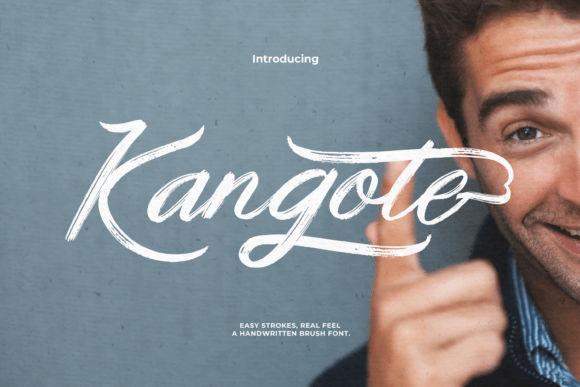
Kangote is a textured brush font, designed with an irregular baseline that gives it a handmade, organic feel. Unlike traditional script fonts that can feel too polished or sterile, Kangote has a subtle roughness that adds character without overwhelming the design. Its irregular baseline makes it visually dynamic, which works well for titles and headers where a bit of visual interest is needed.
The font’s contemporary approach aligns perfectly with modern digital branding. It’s not just about aesthetics—it’s about creating a unique identity that feels authentic. For a boutique store, this personality can help differentiate their brand from competitors who might use more generic typefaces.
Testing Kangote in Real Layouts
I first tested Kangote in the hero section of the homepage. Placed over a high-quality image banner, it worked beautifully. The texture added depth without clashing with the background. I noticed how it drew the eye naturally, guiding users toward the call-to-action button.
On mobile, I made sure to adjust the tracking and letter spacing to maintain readability. Kangote isn’t meant for body text, but when used in short phrases or headlines, it performs well even at smaller sizes. I also checked its performance on dark and light backgrounds, ensuring it remained legible in both contexts.
One thing I appreciated was the irregular baseline—it gave the text a sense of motion, making it feel alive rather than static. This is especially useful for creative portfolios or course sales pages where the tone should be engaging and expressive.
Where Kangote Shines
Kangote is best suited for hero titles, section headings, and decorative accents. It’s not ideal for long blocks of text, but it excels in short, impactful phrases. I’ve used it for logo text, promotional banners, and even as a supporting typography element in blog headers.
- Hero Sections: Adds a strong visual anchor.
- Call-to-Action Buttons: Makes CTAs pop with a touch of elegance.
- Blog Headers: Enhances the editorial feel of content.
- Course Sales Pages: Conveys creativity and professionalism.
- Portfolio Websites: Reflects a designer’s unique style.
Pairing Kangote with a clean sans serif font like Montserrat or Inter helps balance the design. The contrast between the ornate script and the simple sans serif creates a cohesive yet dynamic layout. It’s important to consider font pairing carefully to ensure the overall design remains readable and visually appealing.
Readability and Responsiveness
While Kangote is a display font, it’s not immune to readability issues. On small buttons or in tight spaces, it can become hard to read. I recommend using it sparingly and always testing it across different screen sizes. For mobile layouts, I increased the font size slightly and adjusted the line height to maintain clarity.
When placing Kangote over images or background elements, I made sure the contrast was sufficient. Dark text on a light background or vice versa works best. In some cases, adding a subtle drop shadow helped the text stand out more clearly.
Font Licensing and Webfont Availability
Before finalizing my choice, I double-checked the commercial font licensing and webfont availability. Kangote comes with clear guidelines for use in websites, landing pages, and digital templates. It supports multiple weights and alternates, giving designers flexibility in their projects.
It’s also worth noting that Kangote includes multilingual support, which is a bonus for international clients or brands targeting diverse audiences. This makes it a versatile option for various design scenarios.
Conclusion
Kangote is more than just a script font—it’s a tool for building a distinctive digital identity. Whether you’re designing a boutique store, a coaching website, or a creative portfolio, it brings a fresh, contemporary look that feels both professional and personal.
By understanding its strengths and limitations, you can use Kangote effectively to enhance user engagement, improve brand trust, and create a more polished online experience. It’s a great addition to any designer’s toolkit, especially for those looking to blend creativity with functionality in their web projects.